Blog & Educational Resources
Stay informed with our expert articles on car values, insurance rights, and vehicle ownership tips. Our blog helps you understand appraisals so you can maximize your outcomes.
Buying a Classic? 5 Things Inspectors Look For
Purchasing a classic car is as much an emotional decision as it is a financial one, but experienced inspectors approach it with discipline and skepticism. The first thing a professional inspector evaluates is vehicle identity and documentation.
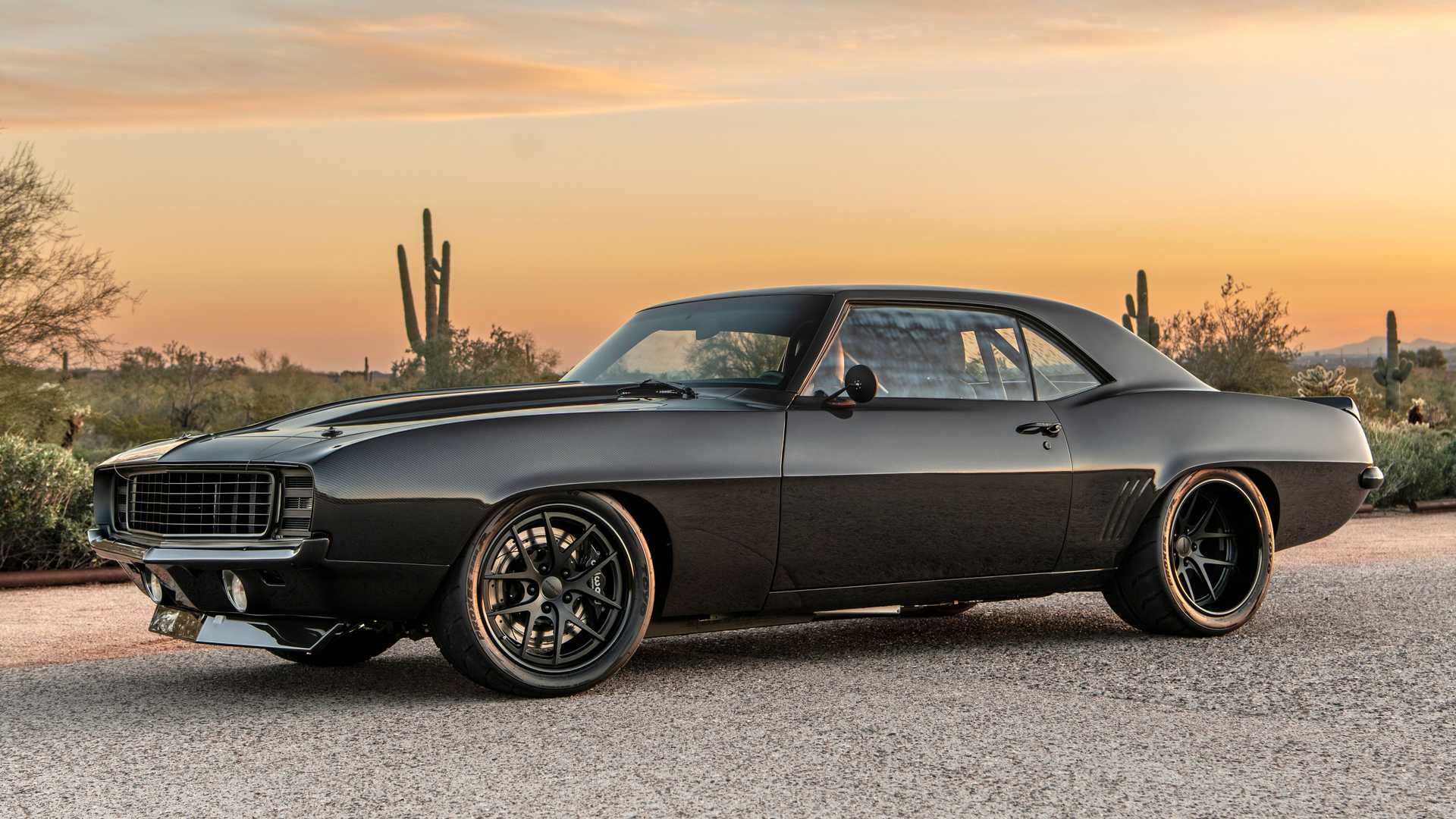

Why Online Appraisals Fall Short
Online vehicle appraisal tools offer convenience and speed, but they often fall short when accuracy truly matters. These platforms rely on generalized data inputs such as year, make, model, mileage, and zip code, while ignoring critical variables that affect real-world value. As a result, they produce estimates that are broad averages rather than defensible valuations.

Understanding Your Diminished Value Claim Rights
Diminished value represents the loss in a vehicle's resale value after an accident, even when repairs restore functionality and appearance. Buyers often pay less for vehicles with accident histories, creating a measurable financial loss for owners. Understanding your rights is the first step toward recovering that loss.

Insurance Claims: When to Get an Independent Appraisal
An independent appraisal becomes essential when there is a disagreement between a vehicle owner and an insurance company regarding value or loss. Insurers often rely on internal valuation tools designed to control claim costs, which may undervalue vehicles or overlook unique characteristics. Independent appraisals provide a neutral, professional counterbalance.

How Mechanical Authenticity Affects Your Car's Value
Mechanical authenticity plays a central role in how collectors, insurers, and appraisers determine a vehicle's value. Authenticity refers to whether a vehicle retains its original or period-correct engine, transmission, drivetrain, and supporting components. For many collector vehicles, especially muscle cars and European classics, originality can mean the difference between average market value and a substantial premium.

State-by-State Diminished Value Laws
Diminished value refers to the loss in a vehicle's market value after it has been damaged and repaired, even if repairs are performed correctly. While the concept is widely recognized, diminished value laws vary significantly from state to state. Understanding these differences is essential for vehicle owners pursuing compensation after an accident.
Stay Updated
Subscribe to our newsletter for the latest articles, industry insights, and appraisal tips delivered directly to your inbox.
Cookie Preferences
We use cookies to enhance your experience, analyze site traffic, and personalize content. By continuing to use our site, you agree to our use of cookies.